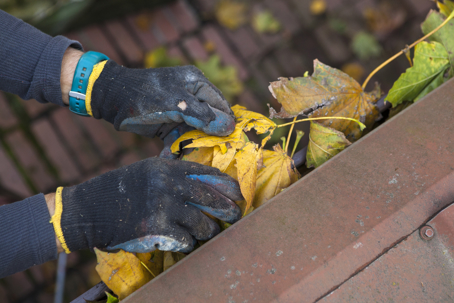
Autumn is one of the busiest seasons for outdoor chores, but while leaves disappear from the lawn, many stay behind on the roof. They collect in valleys, around chimneys, and inside gutters—places where water is supposed to flow freely.
At first, nothing seems out of the ordinary. Over time, though, damp piles of leaves can keep roofing materials wet longer than they should, creating conditions that encourage deterioration.
Before winter arrives, it's worth understanding why something as simple as fallen leaves deserves a spot on your seasonal maintenance checklist.
Why Leaves Cause More Than Just a Mess
A few scattered leaves won't hurt your roof, but piles of damp leaves are a different story. After rain or morning dew, they stay wet much longer than the surrounding shingles. That constant moisture prevents the roof from drying properly and creates an environment where roofing materials wear down faster.
Leaves are especially likely to collect in areas where water naturally flows, including:
- Roof valleys
- Around chimneys and skylights
- Behind dormers
- Along the roof edges
- Inside gutters
These spots already handle large amounts of water during storms. When leaves block normal drainage, water can begin backing up instead of flowing away.
How Moisture Trapped by Leaves Damages Your Roof
Roof damage from leaves rarely happens overnight. Instead, it develops gradually as moisture lingers where it shouldn't.
Shingle Wear
Asphalt shingles are designed to shed water efficiently, but they aren't meant to stay damp for days at a time. Extended moisture can accelerate granule loss, leaving shingles more vulnerable to UV exposure and weathering.
Moss and Algae Growth
Shaded, damp areas become ideal places for moss and algae to grow. Moss can lift shingle edges as it spreads, creating openings where water can work beneath the roofing materials.
Flashing Problems
Leaves often pile up around flashing near chimneys, vents, and skylights. Standing moisture in these areas increases the likelihood of corrosion or sealant deterioration, making leaks more likely over time.
Clogged Gutters Can Make the Problem Worse
Leaves don't stay on the roof forever. Eventually, they wash into your gutters, where they can create another set of problems.
When gutters become blocked, rainwater has nowhere to go. Instead of flowing through the downspouts, it can spill over the sides or back up beneath the roof edge.
According to the Federal Emergency Management Agency (FEMA), keeping gutters clear is one of the recommended maintenance steps for reducing water damage around the home and the roof drainage system.
Common issues caused by clogged gutters include:
- Overflowing water near the foundation
- Wet fascia boards
- Rotting soffits
- Ice dam formation during freezing weather
- Water is backing up beneath the shingles
Why Fall Weather in the Shenandoah Valley Matters
Homes throughout Harrisonburg and the Shenandoah Valley often sit beneath mature oak, maple, and hickory trees. These species don't all drop their leaves at once, which means roofs can continue collecting debris well into late fall.
As nighttime temperatures begin dipping toward freezing, wet leaves combined with clogged gutters create ideal conditions for ice dams. Water freezes near the roof edge, then backs up beneath shingles as daytime melting occurs.
That's why waiting until winter to deal with leaf buildup can become much more expensive than handling it during the fall.
Signs Leaves May Already Be Affecting Your Roof
You don't have to climb onto the roof to spot early warning signs.
Watch for:
- Leaves collect in the roof valleys after windy days
- Gutters overflowing during moderate rain
- Dark streaks below clogged gutters
- Sagging or pulling gutters
- Granules are collecting in the downspouts
- Moss growing on shaded roof sections
- Water stains in the attic or on ceilings
If you notice several of these signs together, it's worth having the roof evaluated before winter weather arrives.
Simple Ways to Reduce Leaf-Related Roof Problems
Regular maintenance goes a long way toward preventing moisture damage.
Consider these seasonal tasks:
- Remove leaves from roof valleys using safe methods.
- Clean gutters after most of the leaves have fallen.
- Flush downspouts to make sure water flows freely.
- Trim branches that hang directly over the roof when appropriate.
- Schedule a roof inspection if your home is surrounded by mature trees or you've experienced recent storms.
The National Roofing Contractors Association (NRCA) also recommends regular roof inspections and debris removal as part of routine roof maintenance to help extend the life of roofing systems.
A Fall Roof Inspection Can Catch Problems Early
Even if your roof looks fine from the ground, some issues aren't easy to spot without a closer inspection.
A fall inspection can identify:
- Early shingle deterioration
- Damaged flashing
- Areas where water is collecting
- Soft spots caused by moisture
- Gutter drainage concerns
- Minor repairs before freezing weather make them worse
Addressing these issues before winter often helps prevent larger repairs later in the season.
Keep Your Roof Ready for the Seasons Ahead
Leaves are part of every fall in the Shenandoah Valley, but the damage they can cause doesn't have to be. Clearing debris, maintaining gutters, and catching small roofing issues early can help reduce the risk of leaks and moisture problems once colder weather arrives.
If you've noticed heavy leaf buildup, overflowing gutters, or signs your roof may need attention, Holloway Roofing can help with professional roof inspections, roof maintenance, roof repairs, and gutter services.
Ready to see what condition your roof is really in? Call (540) 924-1553 to schedule an inspection, or contact our team today to get started.