In the Shenandoah Valley, we experience the full spectrum of the seasons—from humid, sweltering summer afternoons to crisp, freezing winter nights. While these temperature shifts are a part of life in Virginia, they present a hidden challenge to your home known as thermal shock. Understanding how this physical process affects your roof is the first step in ensuring your home remains protected year-round.
What is Thermal Shock?
Thermal shock occurs when a roofing material undergoes a rapid, extreme change in temperature. On a typical July day in Harrisonburg, your roof’s surface temperature can easily exceed 150°F. If a sudden afternoon thunderstorm rolls in, that temperature can plummet by 50 degrees or more in just a few minutes.
This rapid cooling causes the roofing materials to contract instantly. Because different components of your roof—such as the shingles, the metal flashing, and the wooden decking—expand and contract at different rates, this sudden movement creates immense physical stress. Over time, this cycle of expansion and contraction weakens the structural integrity of the entire system.
The Signs of Thermal Stress
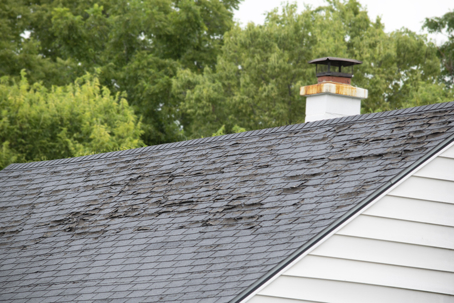
Thermal shock rarely causes a roof to fail overnight. Instead, it is a cumulative process that wears down the "memory" of your roofing materials. Homeowners should stay alert for these specific red flags:
- Splitting and Cracking: As shingles lose their flexibility due to constant temperature swings, they may begin to develop vertical cracks or tears that allow water to seep toward the underlayment.
- Curling Shingles: Rapid contraction can cause the edges of asphalt shingles to lift or curl upward, breaking the seal that protects your home from wind-driven rain.
- Fastener Back-out: The constant shifting of the roof deck can actually push nails upward. These "nail pops" create small holes in the shingles that are prime locations for leaks.
- Degraded Flashing: Metal flashing around chimneys and vents expands significantly more than asphalt. Repeated thermal shock can pull the flashing away from the roof, breaking the waterproof seal.
Resilience Through Quality and Ventilation
The best defense against thermal shock is a combination of high-quality materials and a scientifically balanced ventilation system. When a roof is properly ventilated, attic temperatures remain closer to the outside air temperature. This reduces the extreme heat buildup during the day, narrowing the temperature gap when a sudden cooling event occurs.
Furthermore, factory-certified materials are engineered with advanced polymers that allow for greater flexibility. These shingles are designed to "bounce back" from thermal stress far more effectively than entry-level products.
The Holloway Difference
At Holloway Roofing, we don't just nail down shingles; we engineer roofing systems specifically for the Shenandoah Valley climate. We utilize a transparent 3-step process to evaluate your roof's current ventilation and material health, ensuring your home is equipped to handle the stresses of thermal shock. By utilizing our GAF Master Elite expertise and the New Roof, No Mess system, we provide a durable solution without the typical construction headache.
Don’t wait for a small leak to become a major structural repair; secure your home’s future today by reaching out for a professional evaluation on our website or calling (540) 924-1553.