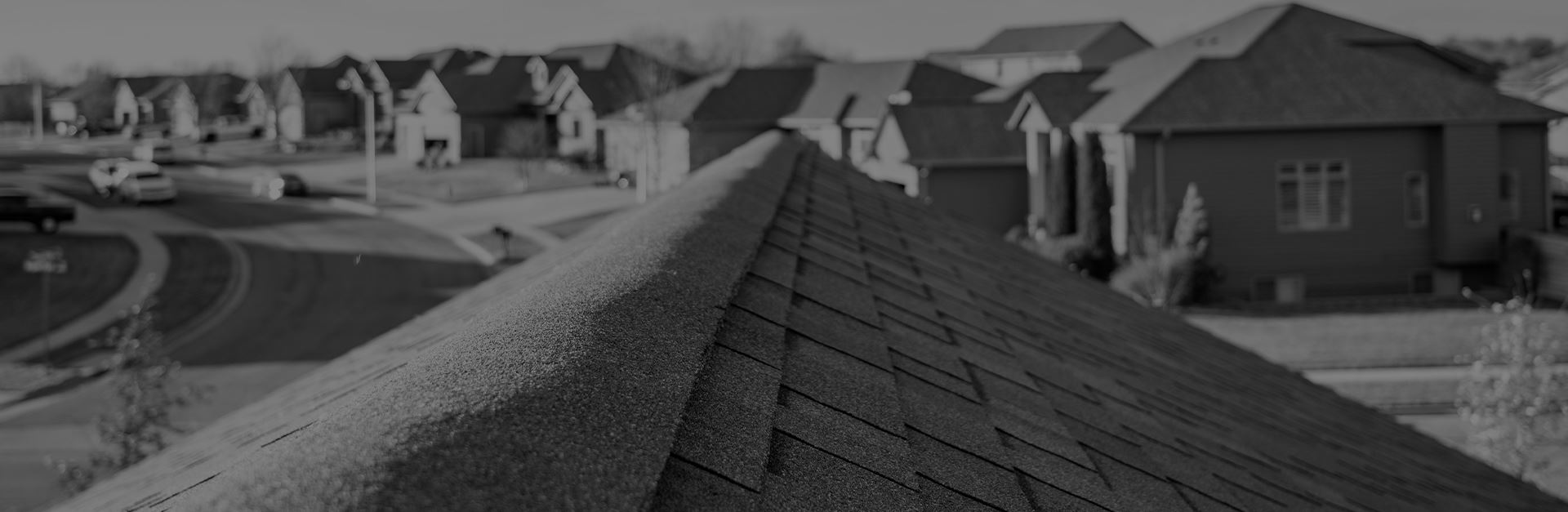

You probably started wondering how long your shingle roof will last the first time a big Harrisonburg storm rolled through and you pictured water dripping into your living room. Maybe you noticed a few curled shingles after a windy day, or you are seeing more granules in the gutters and wondering if that means a full replacement is around the corner. The cost of a new roof is no small thing, so stretching the life of the one you have, without risking leaks, is always on your mind.
Your roof does not age on a fixed schedule. Two homes in the same neighborhood can have roofs of the same age, and one may still be in good shape while the other is already causing problems. Weather, ventilation, installation quality, and day to day care all affect how long a shingle roof will really last in Harrisonburg. The good news is that you can control more of this than you might think.
At Holloway Roofing, we work on residential and commercial roofs across Harrisonburg and the Shenandoah Valley, and we see the same patterns over and over again. As a locally owned roofing contractor with a Class A Contractor’s License in Virginia and GAF Master Elite and Certified Contractor status, we are very familiar with what actually shortens or extends shingle roof life in this climate. In this guide, we will walk through practical steps you can take to help your roof last longer and how to know when repairs or replacement make more sense.
How Harrisonburg Weather Really Wears on Shingle Roofs
Harrisonburg roofs live through hot, sunny summers, cold winters, sudden thunderstorms, and plenty of wind. All of that takes a toll on shingles. Asphalt shingles are built with a fiberglass or organic mat, asphalt, and a protective layer of granules on top. Over time, sunlight and temperature swings break down the asphalt and loosen those granules, which is what you often see washing into your gutters.
On the hottest days, the sun beats down on south and west facing slopes for hours. UV rays gradually dry out the asphalt binder in the shingles, which makes them more brittle. As shingles lose oils and flexibility, the granules do not stay embedded as well, so they start to shed. Once enough granules are gone, the asphalt underneath is more exposed to UV, so aging speeds up. That is why you often see more wear on the sunniest sides of Harrisonburg homes.
Winter brings a different kind of stress. When snow or ice sits on the roof, meltwater can refreeze at the eaves and in valleys. This freeze thaw cycle repeats many times over a Harrisonburg winter, and water can work its way into tiny gaps around shingles and flashing. As it freezes and expands, it can slightly lift materials or open those gaps wider. Over several seasons, that movement can loosen nails, crack sealants, and create small paths for water to reach the decking below.
Wind from passing systems in the Shenandoah Valley also matters. Repeated wind uplift on the edges of shingles, especially where factory adhesive strips never fully sealed or have weakened with age, can cause tabs to lift. Once wind gets under a shingle consistently, it can tear it off entirely or at least crease it, which shortens its life. Branches and debris blown across the roof during storms can also scuff off granules and create weak spots that become problem areas later.
Because we work on so many local roofs, we see these weather patterns in the same places on homes throughout Harrisonburg. South facing slopes, valleys, and areas around chimneys and roof to wall transitions almost always show wear first. Understanding how the weather actually attacks your roof helps you focus your inspection and maintenance where it matters most.
Regular Roof Inspections Catch Problems Years Before Leaks Start
Many homeowners assume that if the ceiling is dry, the roof is fine. In reality, leaks often start small and hidden. Water can seep under shingles or around flashing, travel along rafters or the underside of the roof deck, and only show up as a stain long after the damage began. By that point, you may already have rotted sheathing, damaged insulation, or even mold developing out of sight.
From the ground, you can still spot useful signs between professional inspections. Look for missing or noticeably curled shingles, shingles that appear lifted at the edges, and areas where the roof looks patchy or darker from granule loss. Check your gutters and downspouts a few times a year, especially after storms, for piles of shingle granules. Inside the home, walk through the top floor and attic to look for water stains on ceilings, damp insulation, or daylight visible through the roof boards.
There are limits to what you can safely see without climbing onto the roof. A professional inspection goes further. During an inspection, we check critical areas such as valleys, roof to wall intersections, and around chimneys and vents, where small gaps in flashing or sealant are common. We look for nail pops where fasteners have backed out slightly, leaving raised shingle spots that can let water in. We also step carefully to feel for soft or spongy decking that might indicate hidden rot that would not be obvious from the ground.
Under the roof, the attic tells part of the story. Signs like rusting nail tips, mildew odors, and damp insulation often indicate moisture problems long before a leak shows up inside. We examine ventilation patterns to see if heat or condensation are building up, which can significantly shorten roof life. By combining what we see outside and inside, we can give you a clear picture of your roof’s condition, what needs attention now, and what can be monitored.
At Holloway Roofing, our assessments focus on honest recommendations. We separate true red flags, like active leaks or decayed decking, from cosmetic aging that does not need immediate action. That way, you can plan repairs and budget with realistic information instead of getting surprised by a sudden failure.
Attic Ventilation and Insulation Can Add Years to Your Shingle Roof
Many Harrisonburg homeowners focus only on what they can see from the yard. The attic, however, plays a major role in how long shingles last. If the attic overheats in summer, shingles can age much faster than the calendar would suggest. Heat trapped under the roof deck essentially bakes the shingles from below while the sun cooks them from above.
Proper attic ventilation uses intake vents, often located at the soffits, and exhaust vents near the ridge or high on the roof. When these are balanced and unobstructed, cooler outside air enters at the lower points, warms as it rises, and exits at the top. This constant air movement carries away heat and moisture. If intake vents are blocked or there are not enough vents, hot air stays trapped, pushing attic temperatures far above the outdoor air. Over time, that extra heat accelerates the drying and cracking of shingles and can even damage the roof deck.
In winter, ventilation and insulation work together to manage moisture and temperature. Warm, humid air from the living space can leak into a cold attic. Without good airflow, that moisture condenses on cold surfaces like nails and the underside of the roof deck. You may see rust on nail tips or dark staining on wood. Persistent moisture can lead to mold and rot, weakening the structure that supports your shingles and shortening their life. Poor insulation can also allow enough heat into the attic to melt snow on the roof, which then refreezes at the edges and contributes to ice dams.
Shingle manufacturers, including GAF, set ventilation requirements so their products can perform as intended. As a GAF Master Elite and Certified Contractor, we pay close attention to these details when we install or evaluate a roof. When we inspect a Harrisonburg home, we look at the size and placement of soffit and ridge vents, the condition of baffles in the attic, and the depth and coverage of insulation. Improving ventilation or insulation on an existing roof can often slow down aging and help you safely get more years out of the system.
If you are unsure whether your attic is ventilated correctly, an inspection can answer that question. Adjustments like adding soffit vents, ensuring existing vents are not painted shut or blocked by insulation, or installing a properly sized ridge vent can make a noticeable difference in both roof life and indoor comfort.
Simple Maintenance Tasks That Protect Your Shingle Roof
Day to day maintenance may not be exciting, but it has a direct impact on how long your shingle roof will last in Harrisonburg. One of the biggest factors is how well water can get off your roof and away from your home. When gutters and downspouts are clogged with leaves, twigs, and granules, water backs up. That backup can creep under shingles at the eaves, soak the fascia, and even find its way into the soffits and walls.
Cleaning gutters at least twice a year, typically after the heavy leaf drop in fall and again in spring, helps keep water flowing freely. During these cleanings, it is a good time to check for signs of sagging gutters, loose fasteners, or leaks at joints, especially on homes in tree lined Harrisonburg neighborhoods. Making sure downspouts discharge away from the foundation also helps prevent water from pooling near the house and working back toward the structure.
Debris that sits on the roof surface itself is another issue. Piles of leaves or small branches in valleys trap moisture against the shingles and slow drying after rain. That constant dampness can promote moss or algae growth and soften shingles, making them more prone to damage. Gently removing debris with a soft brush or leaf blower, taking care not to lift shingles, helps protect the granule layer and surface. High pressure washing, on the other hand, can strip granules and shorten roof life, so it is not a good solution for cleaning shingles.
Overhanging tree limbs also deserve attention. Branches that rub against the roof in the wind can scrape off granules and wear through shingle surfaces over time. Larger limbs that hang above the roof increase the risk of impact damage in a storm and drop more debris into valleys and gutters. Trimming branches back so they are clear of the roof, ideally by a qualified tree service, reduces shade that keeps roofs damp and minimizes physical contact with the shingles.
As part of our maintenance inspections, we often point out these simple tasks and help homeowners in Harrisonburg prioritize what will make the biggest difference for their particular property. A few hours of maintenance each season, combined with a professional eye on the system, often pays off in fewer problems and a longer lasting roof.
Timely Repairs That Prevent Small Issues from Shortening Roof Life
Small roof problems rarely stay small for long in our climate. A single missing shingle, a cracked vent boot, or a loose piece of flashing might not seem urgent if there is no visible leak inside. However, these openings can allow water to reach the underlayment and deck every time it rains, gradually weakening materials and reducing the roof’s remaining life.
Common minor issues on Harrisonburg shingle roofs include lifted or torn shingle tabs, nail pops that create small bumps, failed sealant around chimney or skylight flashing, and deteriorated rubber boots around plumbing vents. Wind can catch the edge of a slightly lifted shingle and pull it up further with each storm. Once water gets under a shingle or behind flashing, it can travel sideways along the deck before dropping into the attic, so the entry point is often not directly above any interior stain.
Addressing these issues quickly usually involves targeted repair, not major construction. Replacing individual shingles in a damaged area, resetting and resealing flashing, or installing new vent boots can often restore the roof’s protection. The key is doing this work in a way that ties into the existing roofing system correctly, with proper fastening and sealing, rather than relying on heavy beads of caulk or surface sealants that can crack and trap water later.
There is a point, however, where repairs become less effective. If similar problems keep appearing in different parts of the roof, or if the shingles are brittle and break during simple handling, the roof may be nearing the end of its serviceable life. In that case, repeated spot repairs might buy a little time but will not meaningfully extend life, and the cumulative cost can approach that of a full replacement without providing the same long term security.
Because Holloway Roofing handles both repairs and full replacements, we do not approach every call with a one size fits all solution. When we inspect a roof, we look at the overall condition, not just the obvious trouble spots, and talk honestly about whether repairs are a good investment or whether it is wiser to start planning for a new roofing system. That way, you can choose what aligns with both your roof’s condition and your budget.
How Age, Installation Quality, and Materials Affect Roof Lifespan
Even with great maintenance, every shingle roof has a practical limit. Understanding how age, installation quality, and materials interact can help you set realistic expectations. In the earlier years, a well installed roof usually sheds water cleanly, with shingles lying flat and granules intact. In middle years, you might see some minor color variation, slight granule loss in high sun areas, and occasional small repairs. Near the end of life, signs like widespread curling, cracking, and chronic granule loss become more common.
How the roof was installed in the first place plays a large role. Proper nailing patterns, correct nail placement, and using the right number of fasteners help keep shingles secure in Harrisonburg winds. High quality underlayment and correctly installed flashing around chimneys, walls, and penetrations give the system more resilience as it ages. When corners are cut, such as inadequate flashing at roof to wall intersections, fewer fasteners, or skipping key components, problems can show up years earlier and be harder to fix with simple repairs.
Materials matter too. Architectural shingles typically have more asphalt and a heavier profile compared to basic three tab shingles, which often translates into better resistance to wind and weather. High quality shingles from manufacturers like GAF are designed as part of a complete system that includes underlayments, starter strips, and ventilation components. When installed to the manufacturer’s standards, these systems tend to perform more consistently over time and respond better to routine maintenance.
As a GAF Master Elite and Certified Contractor, Holloway Roofing follows proven installation practices that align with manufacturer guidance. Our Class A Contractor’s License in Virginia reflects a commitment to doing the structural and detail work the right way, whether we are installing a new roof or tying repairs into an existing system. For homeowners focused on extending roof life, these installation details give your roof a stronger foundation for all the maintenance and care you put into it later.
When we evaluate an older roof, we look for clues about how it was originally installed, as well as how it has been maintained. That helps us give you a more accurate picture of how much useful life might remain and how much value you will likely get from additional repairs or upgrades.
When Extending Roof Life Stops Making Sense
There comes a point where trying to squeeze a few more years out of an old roof can end up costing more than it saves. Recognizing that point is not always simple from the ground, but certain patterns tell you when extending life is no longer the best strategy. If you see widespread granule loss with bald spots across many areas, shingles curling or cracking across entire slopes, or multiple leaks appearing in different rooms over a short period, the roof may be approaching the end of its safe service life.
Soft or spongy areas underfoot, which we check for during inspections, indicate that the roof deck itself may be compromised. Repairing isolated sections of decking can work when problems are limited, but if decay is widespread, patching becomes less practical. In that situation, continuing to repair new leaks as they appear can lead to frequent disruptions, ongoing risk of interior damage, and growing costs without delivering long term peace of mind.
There is also the question of repair frequency. If you find yourself needing multiple roof repairs every year to address fresh issues, especially after routine storms rather than extreme events, that pattern suggests that the roofing system as a whole is tired. Spending money on repeated repairs on a failing roof can delay replacement but does not usually extend overall lifespan in a meaningful way.
During a detailed assessment, we help Harrisonburg homeowners think through these tradeoffs. We explain what we see on the surface and in the attic, where the main vulnerabilities are, and what options you have. Sometimes that means recommending a focused repair with a realistic expectation of how long it may last. Other times it means having a straightforward conversation about planning a full replacement to protect the home and avoid chasing leaks year after year.
Work With a Local Roofing Partner to Protect Your Harrisonburg Home
Extending the life of your shingle roof in Harrisonburg is really about stacking small advantages in your favor. Paying attention to weather driven wear, keeping gutters and roof surfaces clear, making sure your attic breathes properly, and taking care of minor repairs before they grow all add up. Coupled with a roof that was installed correctly in the first place, these habits help you get the most from your investment without gambling with hidden damage.
You do not have to figure this out alone. A local roofing partner who knows Harrisonburg homes, understands Virginia’s changing seasons, and is committed to thorough inspections and honest recommendations can make roof care much simpler. At Holloway Roofing, we provide free, transparent estimates, detailed inspections, and clear communication so you understand your roof’s condition and the best options for protecting it.
If you are ready to find out how much life your shingle roof may have left, or you have noticed some of the warning signs described here, we can help you create a plan tailored to your home and budget.