If you’re staring at a leaking roof and thinking, “How hard can it be?”—this guide is for you. Maybe you own a single-family home and are tempted by a weekend project to save money, or you’re preparing a property quickly as a landlord or house flipper. Even rural homeowners watching YouTube tutorials might think roofing looks simple. On the surface, it seems like just removing old shingles and nailing down new ones—but the reality is far more complicated.
This article is also for safety-conscious readers uneasy about climbing a roof. You may wonder if DIY roofing is legal, whether insurance will cover mistakes, or if patchwork repairs hurt resale value. We’re not here to discourage hands-on homeowners—our goal is to help you decide when DIY makes sense and when it puts your safety, home, and wallet at risk.
Understanding the True Risks of DIY Roofing
Before you set a ladder against your gutter, it’s important to weigh the risk versus the reward. Professional roof replacement in the U.S. typically ranges from $8,000 to $15,000 or more, depending on size, pitch, and materials. DIY might seem like a huge savings. But that math doesn’t include safety equipment, specialty tools, wasted materials, or—most importantly—the cost of mistakes.
A mis-nailed shingle or a missing piece of flashing can silently soak your attic for months. Hazards include:
- Falls from ladders or roofs
- Structural damage to decking or rafters
- Voided manufacturer warranties
- Insurance claims denied due to unlicensed work
Roof systems must comply with building codes, manufacturer instructions, and insurance requirements. Overlooking any of these can lead to costly errors that aren’t obvious from the yard.
Physical Safety Hazards of DIY Roofing
Falls and Ladder Accidents
Roofing is one of the most dangerous construction tasks. Even a 4/12 pitch roof feels different up close, especially with loose shingles or wet surfaces. Steeper roofs, common in many homes, require roof brackets, planks, and harnesses to navigate safely. Most DIYers underestimate these conditions.
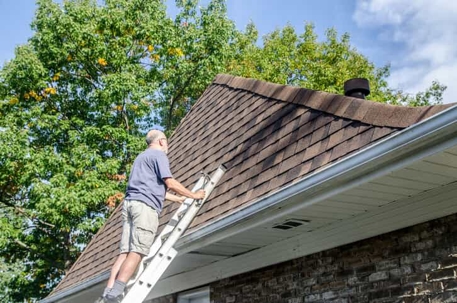
Ladders pose extra risk. Common mistakes include leaning them on gutters, overreaching, or climbing while carrying tools. Professional crews use stabilizers, tie-offs, and safe access points.
Weather, Roof Surfaces, and Hidden Weak Spots
Rooftop conditions change quickly. Heat, cold, wind, and moisture all affect grip and balance. Soft decking or rotten sheathing can collapse underfoot. Professionals are trained to spot these dangers and reinforce weak areas.
Electrical and Tool Hazards
Overhead wires, power tools, and heavy materials introduce shock and injury risks. Professionals coordinate lifting, stage materials safely, and wear proper PPE to prevent accidents. DIYers juggling multiple risks can easily get hurt.
Hidden Structural and Weatherproofing Risks
Common DIY Mistakes
A new roof can look perfect from the street, even with hidden errors. Incorrect shingle nailing, misaligned underlayment, and improperly installed flashing can cause leaks and wind damage.
Valleys, Penetrations, and Flashing
Leaks often occur around chimneys, skylights, or valleys. Step flashing, counterflashing, and valley construction require precise installation. DIY shortcuts often fail over time, causing insulation damage and hidden mold.
Ventilation, Moisture, and Ice Dams
A roof is a system including attic ventilation and insulation. Poor ventilation or blocked soffit vents can lead to condensation, rot, and mold. In winter, ice dams can form, backing water under shingles. DIY mistakes often worsen these issues.
Financial, Warranty, and Insurance Consequences
Voided Warranties
Understanding roof warranties is essential, yet often overlooked by homeowners. Many modern roofing products require certified installation for warranty coverage. DIY work often voids manufacturer guarantees, leaving you paying out-of-pocket for failures.
Insurance and Code Issues
Most homeowner policies exclude “faulty workmanship.” DIY mistakes may not be covered. Skipping permits or code compliance can create legal or resale problems.
False Savings
Beyond materials, DIY roofing may require expensive tools and safety gear. Mistakes often cost more to fix than hiring a licensed contractor. Buyers and appraisers also notice amateur work, potentially reducing resale value.
Smarter DIY Alternatives and Knowing When to Call a Pro
Some tasks are safe for homeowners, such as:
- Ground-level roof inspections with binoculars
- Cleaning gutters and downspouts from a stable footing
- Checking attic insulation and moisture levels
- Trimming low-hanging branches
For active leaks, storm damage, sagging roofs, or structural work, it’s time to call a professional. A qualified roofing contractor in Weyers Cave, VA, can:
- Conduct inspections safely
- Recommend repair vs. replacement
- Handle ventilation, flashing, and ice/water protection correctly
- Ensure code compliance and valid warranties
Protect Your Home, Health, and Investment
Roofing is one of the few home projects where mistakes can be life-changing or costly. A well-installed roof is a system: structure, underlayment, flashing, shingles, ventilation, and insulation working together. Professionals provide expertise, safety, and long-term performance that a weekend DIY project can’t match.
If you’re in Weyers Cave, VA, or surrounding areas, don’t risk injury or hidden damage. Holloway Roofing provides thorough roof inspections, maintenance, and repairs tailored to your home. Schedule an inspection online or call (540) 924-1553 to protect your investment and gain peace of mind.