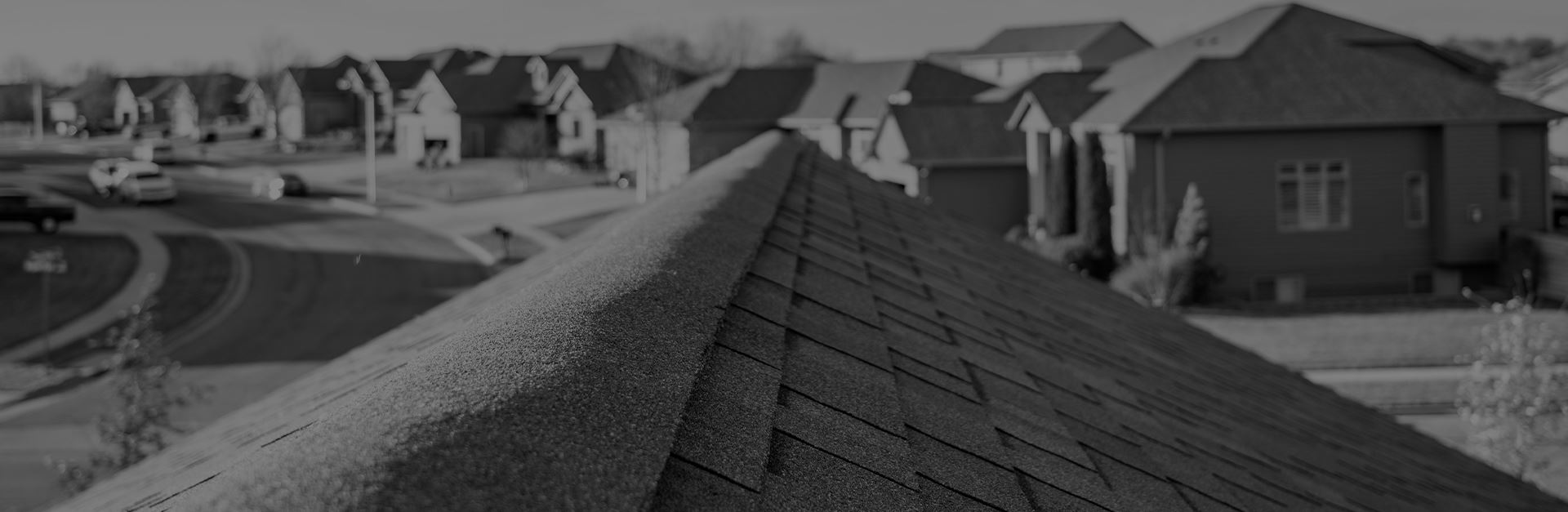
Choosing the right questions for your roof inspector can make all the difference when you want to protect your Harrisonburg property. A quality roof inspection is not just about crossing items off a list—it is your opportunity to truly understand your roof’s condition, gauge local risks, and make informed decisions about your investment. Many Harrisonburg property owners feel overwhelmed or uncertain about what to ask during an inspection, which can lead to missed concerns or unnecessary expenses later. When you know which questions to ask, you take control of your roof’s future and gain real peace of mind.
What Questions Should I Ask Before Scheduling a Roof Inspection in Harrisonburg?
Before scheduling a roof inspection, you should confirm that the inspector holds a current Class A Contractor’s License and carries active insurance in Virginia. This ensures you are working with a professional who meets strict state standards for workmanship and safety. Ask if the company holds certifications from top manufacturers, like GAF President’s Club or GAF Certified status. Credentials like these signal ongoing training and a commitment to quality, which can affect warranty eligibility and the reliability of roof work in the Shenandoah Valley.
It’s wise to ask about the inspector’s experience with both residential and commercial roofing in Harrisonburg. Local weather poses unique challenges—request details on projects they have handled for area homes or businesses and examples of the most common issues they see. This familiarity helps your inspector recognize risks particular to the region, such as snow load problems or the impact of high humidity. Reliable inspectors can speak confidently about their track record in the community and their understanding of roofs built to withstand local conditions.
Ask for a clear description of the inspection process, including which roof elements will be examined, the tools they will use, and how long the inspection will usually take. Understanding this process sets the right expectations and shows that your inspector values transparency and attention to detail from start to finish.
How Does Harrisonburg’s Climate Affect Questions for My Roof Inspector?
Roofing in Harrisonburg is directly affected by regional weather patterns—ranging from snowy winters to humid summers and severe rainstorms. When you speak with your inspector, ask how these climate factors shape the inspection. For example, a qualified inspector should address the risk of ice dams, which form after heavy snowfall and can lift shingles or cause water leaks into attics. Find out how they assess insulation, ventilation, and water barriers to manage these risks.
Harrisonburg roofs are often exposed to significant moisture. Discuss with your inspector how they evaluate for algae growth, moss, or black streaks, which thrive in humid conditions and can erode roofing materials. Ask what local preventative measures or materials are most effective, such as algae-resistant shingles or improved attic airflow. Their answers should show a practical understanding of year-round maintenance challenges in the Shenandoah Valley.
Inquire about roof assessments after major storms. Wind and hail can cause subtle yet serious damage that’s easy to overlook. Ask how the inspector identifies evidence of hail pockmarks, wind-lifted shingles, or weakened flashing, and what they recommend for regular post-storm checks. Their specific approach to these local hazards is often what differentiates an experienced contractor in Harrisonburg from a less prepared one.
Which Roof Areas Will You Inspect, and What Are the Most Common Issues in Harrisonburg?
A full roof inspection should cover all critical areas, not just surface-level checks. Ask the inspector which of the following components they will evaluate in detail:
- Shingles and underlayment for signs of cracking, curling, or missing material
- Flashing around chimneys, skylights, or vents for rust, separation, or wear
- Gutters and downspouts for blockages or standing water
- Attic insulation and ventilation for excess heat or trapped moisture
- Structural decking for sagging or evidence of leaks
Discuss current issues specific to Harrisonburg, such as shingle deterioration after snowmelt, improperly sealed roof valleys prone to leaks, or algae stains that appear after humid springs. Reliable inspectors know to look for symptoms like these, which tend to surface more often in the Shenandoah Valley than elsewhere in Virginia. They should explain their approach for assessing these risks and give you practical advice for addressing them.
Ask your inspector to talk you through their evaluation of attic ventilation. Harrisonburg’s seasonal shifts frequently cause condensation in improperly vented roofs, leading to hidden damage. The inspector’s process should include checking for blocked vents, insufficient insulation, and the presence of moisture, all of which can be caught early and addressed to prevent bigger problems down the line.
Can You Clearly Explain Any Roof Damage or Warning Signs You Find?
Understanding your inspection results begins with plain explanations. Ask your inspector to describe damage and warning signs in everyday language, connecting each issue to potential consequences for your property. For example, if your inspection notes shingle “granule loss,” request clarification on how this impacts shingle lifespan and the risk of future leaks. Clear, concrete answers help you avoid confusion and allow you to prioritize your next steps.
Request written descriptions and photos in your inspection report to pinpoint exactly where and what issues exist. Inspectors should be able to identify and explain red flags, such as curled shingle edges, corroded flashing, or water stains inside the attic. Ask them to separate cosmetic issues from those affecting roof performance, so you understand which repairs are urgent versus cosmetic.
It’s important to clarify technical terms—so don’t hesitate to ask about “delamination,” “soffit damage,” or “fastener back-out.” Your inspector should be happy to explain what each means for your home. Clear explanations are a hallmark of the straightforward, honest service Holloway Roofing provides to Harrisonburg property owners.
Which Roof Repairs Are Urgent, and What Can Wait?
Not every suggested repair is an emergency. During the inspection, ask your contractor to categorize needed repairs by urgency and provide a rationale for each. For instance, a small leak or missing flashing usually requires swift attention, but minor surface wear could be held for monitoring. Ask for a clear breakdown so you can confidently prioritize the most important fixes for your roof repairs.
Have the inspector explain the potential effects of delaying certain repairs. Ask what signs you should watch for if a problem could become more urgent over time, such as increased leak marks or sagging. Transparent communication about what is critical now versus what can wait empowers you to plan repairs on your schedule, not just at the inspector’s suggestion.
Ask for a general timeframe or cost range for addressing each concern. Getting realistic estimates makes it easier to budget and compare options from multiple contractors if needed. This step also allows you to prepare in advance for seasonal maintenance or upcoming replacement needs based on actual priorities rather than a generic checklist.
Which Roofing Materials Work Best for Harrisonburg Weather?
The right roofing materials significantly impact how well your roof stands up to Harrisonburg’s unpredictable weather. Ask the inspector which options are proven to perform in heavy snow, humidity, and sudden downpours common in the Shenandoah Valley. Contractors often recommend GAF shingles due to their strong warranties and weather resistance, but ask for details on other available options and what they mean for long-term durability.
Request information on why certain materials are best for your property, considering your roof’s slope, age, and the amount of tree coverage. Inquire about extra features, such as algae-resistant coatings or thicker underlayment for improved moisture resistance. Inspectors should be able to explain the benefits of each material in the context of local conditions, giving you the information you need to make the best investment for your home or business.
Discuss your goals honestly—whether you want lower maintenance, improved appearance, or greater storm resistance. Ask for side-by-side comparisons on cost, life expectancy, and upkeep requirements. The team at Holloway Roofing is always ready to lay out all your material options in the context of the region’s rigorous climate.
What Maintenance Steps Extend a Roof’s Lifespan in Harrisonburg?
Consistent roofing maintenance is vital for maximizing your roof’s lifespan in the Shenandoah Valley. Ask your inspector for routine steps suited specifically to Harrisonburg’s climate. These might include clearing snow to prevent ice dam formation, removing leaves or debris from gutters after fall storms, and scheduling annual roof and attic checks to spot damage before it becomes severe.
Your inspector should discuss preventive treatments, such as anti-moss sprays, touch-up sealant for UV-exposed areas, and performing regular checks on eaves and flashing. Small, consistent actions—like keeping attic vents clear or promptly replacing damaged shingles—can save thousands in future repairs by stopping problems before they worsen.
If you are planning ahead, ask about roof accessories that may help, such as snow guards or upgraded gutters for better water control. Proactive upgrades can protect against Harrisonburg’s heavy snowfalls or spring rains, and your inspector can share which solutions are most worthwhile for your property’s specific layout and needs.
Can I Review Your Licensing, Insurance, and Local Credentials?
Always ask the roof inspector to provide proof of a Virginia Class A Contractor’s License and active insurance coverage prior to starting work. These documents give you confidence that you are hiring a professional equipped to deliver quality service and provide protection for both residential and commercial jobs. Certifications like GAF President’s Club status signal a strong track record in the roofing industry and regular commitment to top standards.
Ask about community awards, regional recognition, or references from other local Harrisonburg property owners. Positive word-of-mouth and awards like “Shenandoah Valley’s Best” affirm the contractor’s trustworthiness and commitment to the region. Documentation of a clean, safe job site and reliable communication also speaks volumes about the company’s standards in real-world conditions.
Inquire about what their insurance covers, and confirm that it extends to property protection, workers’ compensation, and liability during both inspections and roof work. Honest inspectors will walk you through their credentials without hesitation, supporting your right to choose a truly qualified roofing partner.
How Will You Document the Roof Inspection & Provide a Written Report?
Documentation is essential after a roof inspection. Ask your inspector what kind of written report you will receive. A thorough inspection should include:
- Photos of all problem spots and reference areas
- Clear written descriptions of issues and suggested remedies
- An explanation of any technical terms or less obvious findings
- Recommended timelines for repairs and maintenance
This report serves as a valuable resource for future work, insurance claims, and even property sales. It also allows you to clarify and follow up on the inspector’s recommendations, armed with all the facts in hand. Make sure your contractor commits to delivering this documentation promptly—clear, organized reporting is a hallmark of professional service.
Clarify how you will receive the report, whether digitally or in print, and how quickly it will be available. A dependable inspector like Holloway Roofing ensures your documentation is thorough, accessible, and open for follow-up questions after your review.
What Are the Warranty and Follow-Up Service Options After a Roof Inspection or Repairs?
Warranties and support after your inspection can add significant value to your roofing investment. Ask if the company offers written warranties covering both workmanship and materials. Find out which manufacturers back their products and what terms apply for coverage—national certifications such as GAF President’s Club are often tied to upgraded warranty programs.
Ask if the team conducts follow-up inspections after repairs or provides ongoing seasonal assessments. Regular check-ins confirm that previous fixes are holding up and help catch new issues early, especially following severe Harrisonburg weather. Ask how quickly they typically respond if you need warranty work or maintenance, and what the process looks like for submitting a request.
Reliable contractors provide clear guidelines and support, ensuring that you’re never left without answers if issues pop up later. A strong tradition of follow-through and open communication distinguishes committed roofing companies from those that simply move on to the next job after your inspection is finished.
How Can I Prepare My Harrisonburg Property for a Comprehensive Roof Inspection?
Taking a few simple steps before your roof inspection makes the process more effective. Start by ensuring clear access to your driveway and the roof’s perimeter. Trim back any tree branches that may obstruct the inspector’s view—this is especially crucial for homes in wooded parts of Harrisonburg, where debris can hide vulnerable areas. Make arrangements for pets or children to stay indoors, allowing the inspector to use ladders and walk around safely.
If you’ve noticed leaks, ceiling stains, or variable attic temperatures, prepare to show your inspector these areas. Clearing out attic access points helps inspections run smoothly and allows for a more thorough examination of insulation, structural supports, and signs of water intrusion. Your involvement in highlighting these issues will lead to a more meaningful and actionable inspection report.
Keep a notepad or device nearby to record answers and recommendations during the inspection. This approach ensures you don’t forget important points and makes follow-up conversations easier. The Holloway Roofing team values engaged, proactive property owners—your participation helps maximize the inspection’s value for your roof and your long-term peace of mind.
What Sets Your Roof Inspection Apart from Others in Harrisonburg?
Not all roof inspectors in Harrisonburg offer the same level of service. Ask candidates to explain what distinguishes their inspections—for example, do they prioritize detailed written reports, prompt and courteous communication, or thorough post-project cleanup? Recognition in the local community and from well-known manufacturers are both signs of a company truly invested in their reputation and the long-term safety of your property.
Holloway Roofing stands out for transparent estimates, the use of warrantied quality materials, and a process that values education and personal communication every step of the way. Holding a Virginia Class A Contractor’s License and honors like President’s Club recognition signals our team’s commitment to setting the highest standards for accuracy, communication, and customer care in Harrisonburg and the wider Shenandoah Valley.
Above all, assess whether your roof inspector welcomes your questions and explains every recommendation. Contractors who encourage your involvement and foster trust are the ones who set the stage for true partnerships in long-term roof care. Choosing an inspector who values clarity and reliability gives you a firm foundation for protecting your home or business through every season.
Ready to discuss your roofing questions or schedule a comprehensive inspection in Harrisonburg? Reach out to the team at Holloway Roofing for clear answers and dependable guidance, or call (540) 924-1553 to get started. We’re committed to helping you safeguard your property for years to come.